You don’t have to be a certified mechanic to perform basic car repairs. With a few tools, some patience, and the right guidance, even beginners can handle simple maintenance tasks at home. This guide covers easy DIY car repairs you can safely do yourself and save money in the process.
Change Your Engine Air Filter
A clogged air filter reduces engine performance and fuel efficiency. Replacing it is one of the easiest car repairs you can do. Open the air filter housing, remove the old filter, and insert a new one. No tools required in most vehicles.
Replace Windshield Wipers
If your wipers streak or skip, it’s time to replace them. Most wiper blades snap on and off with a simple latch or hook. Just match the size to your vehicle and follow the instructions on the package. It’s a 5-minute fix that improves visibility and safety.
Top Off or Replace Windshield Washer Fluid
Running low on washer fluid is a common and easy-to-fix issue. Open the hood, locate the reservoir with the windshield icon, and pour in a washer fluid of your choice. For winter, choose a formula that prevents freezing.
Check and Adjust Tire Pressure
Driving with low or uneven tire pressure reduces gas mileage and increases tire wear. Use a digital tire gauge and add air at a gas station or with a home compressor. Refer to the recommended PSI on the driver’s door sticker.
Change Your Engine Oil (If You’re Ready)
While this job requires more steps, it’s still beginner-friendly with proper preparation. You’ll need an oil filter wrench, a drain pan, a funnel, and the right type of oil. Always check your manual and dispose of old oil responsibly at a recycling center.
Replace Your Cabin Air Filter
This filter keeps the air inside your car clean. Most cabin filters are located behind the glove box or under the dashboard. Swapping it out usually takes less than 10 minutes and improves air quality and A/C performance.
Replace Burned-Out Headlights or Tail Lights
If one of your lights isn’t working, it might just be a dead bulb. Access the light housing, remove the old bulb, and snap in the new one. Make sure to wear gloves when handling bulbs to avoid oil residue.
Clean Battery Terminals
A car that struggles to start may have corroded battery terminals. Disconnect the battery (negative cable first), clean the terminals with a brush and baking soda mixture, and reconnect the cables. This can improve electrical flow and prevent future issues.
Add Power Steering or Brake Fluid (With Caution)
If your steering feels stiff or your brake pedal feels soft, check the fluid levels. These systems are critical, so if you notice ongoing issues or leaks, consult a mechanic immediately. But for topping off, it’s a simple, safe DIY task.
Use an OBD2 Scanner to Diagnose Issues
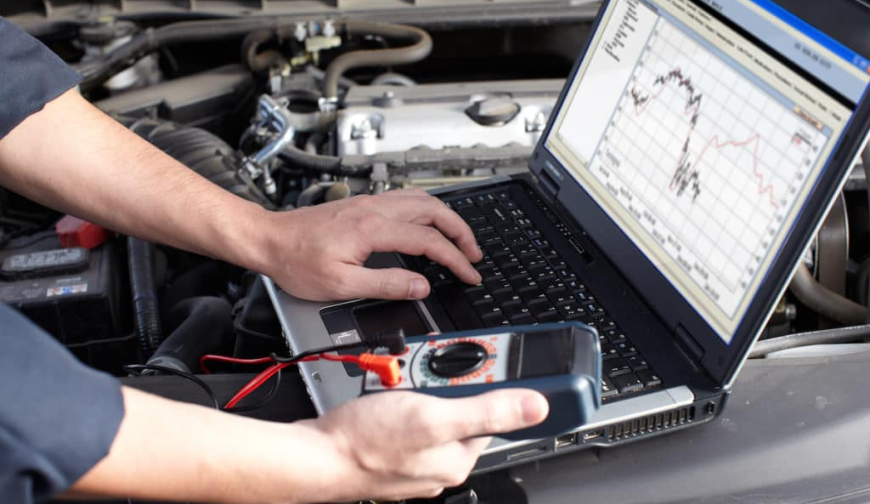
An OBD2 scanner plugs into your car’s diagnostic port and helps you read engine codes when a warning light appears. It won’t fix the problem, but it gives you a clue about what’s wrong and whether it’s something you can handle or take to a shop.
Conclusion
Doing your own car maintenance can be rewarding, cost-effective, and even fun. Start with small jobs and work your way up as you build confidence. And if something feels beyond your skill level, Blacktop Auto Repair is always here to help. We’re just a phone call away whenever you need expert hands.